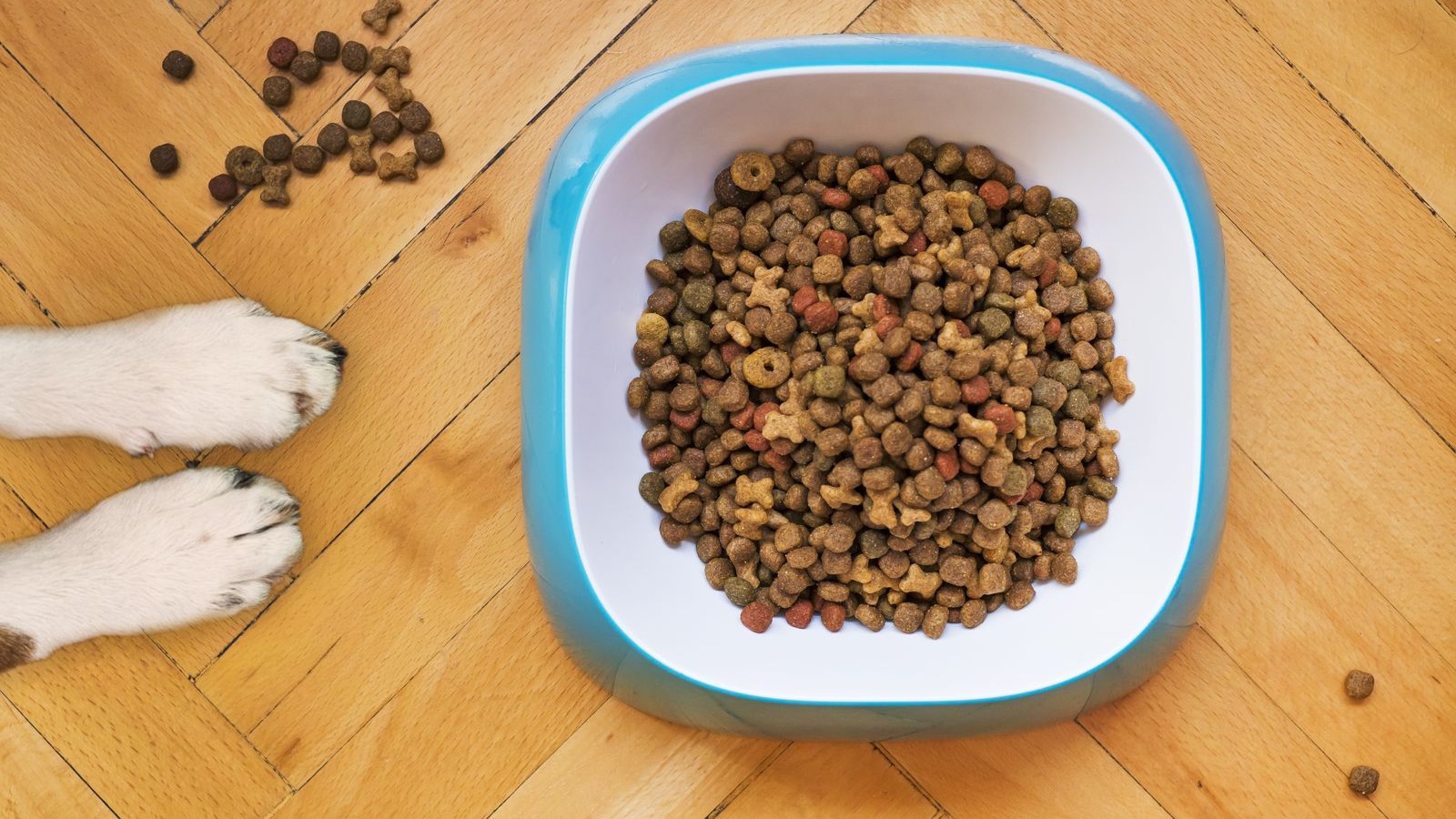
Best Dog Food for Sensitive Stomachs in 2026: Vet-Informed Buyer's Review
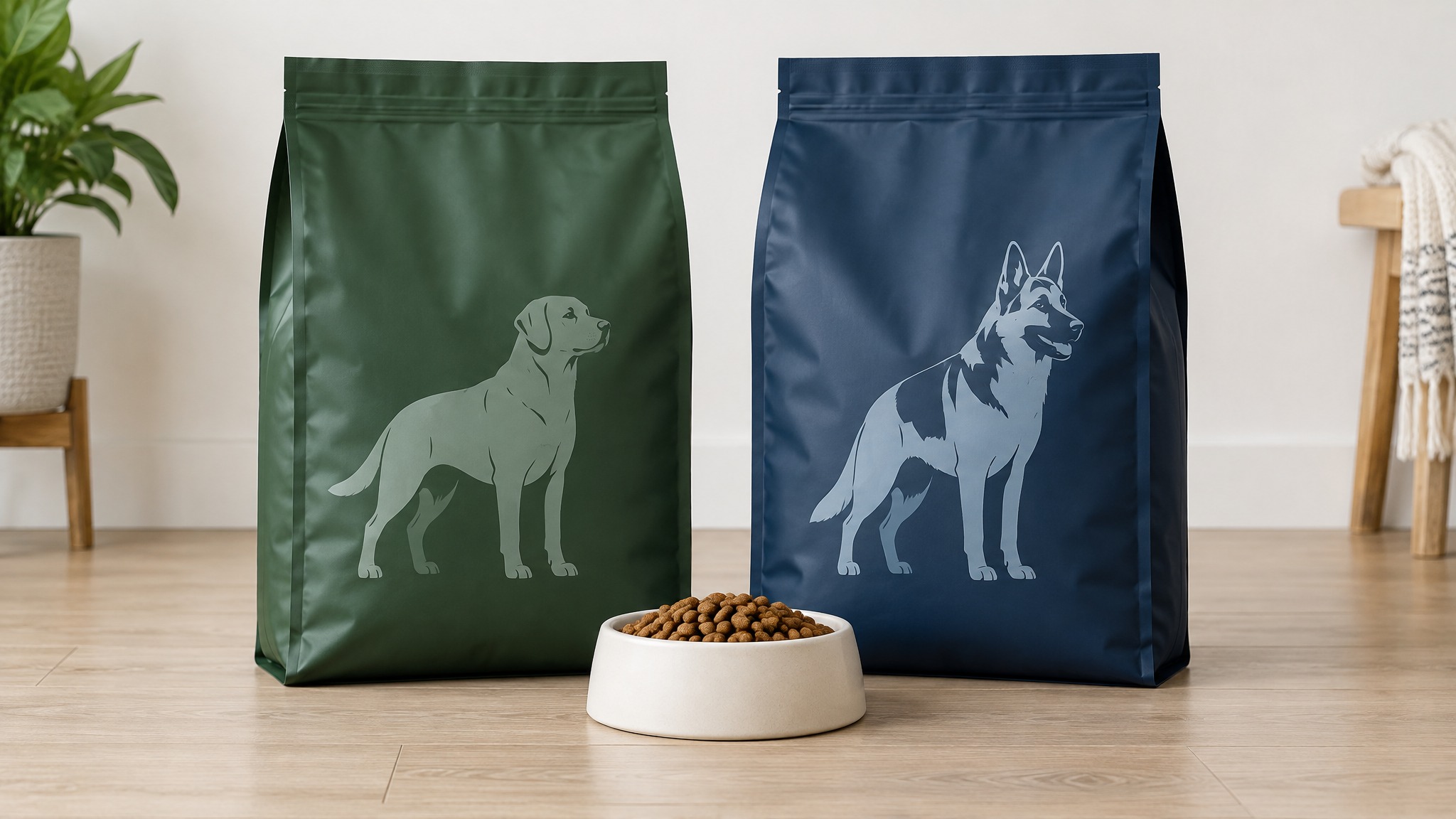
If your dog has a gurgling belly, soft stools or a picky streak after every meal, the right food can make a big difference. This review explains what actually helps sensitive digestion and how to pick a formula that suits your dog, without wasting money on trial and error.
What Causes Sensitive Stomachs in Dogs?
Digestive upset in dogs usually shows up as loose stools, gas, vomiting, itchy skin or a sudden drop in appetite. Common triggers include abrupt diet changes, low-quality fillers, fatty table scraps, and true food sensitivities to ingredients such as chicken, beef, dairy or wheat. Before changing food, rule out parasites and illness with your vet, especially if symptoms last more than a couple of days.
Many owners assume grain is the culprit, but true grain allergies are less common than protein sensitivities. That is why a careful, step-by-step approach works better than jumping to the most expensive bag on the shelf.
What to Look for in a Sensitive Stomach Formula
Use this checklist when you compare labels:
- Limited, named ingredients: a short list with a single animal protein such as salmon, lamb or turkey.
- Digestible carbohydrates: rice, oats, potato or pumpkin tend to be gentler than heavy legume blends.
- Prebiotics and probiotics: beet pulp, chicory root or added live cultures support healthy gut bacteria.
- Moderate fat: very rich food is a common cause of loose stools.
- Complete and balanced statement: look for an AAFCO-style adequacy statement for your dog's life stage.
Our Top Picks by Type
1. Salmon and Rice Formulas
Salmon is a popular alternative protein for dogs that react to chicken or beef. It also provides omega-3 fatty acids that support skin and coat. Salmon and rice recipes from established brands are a sensible first choice for most dogs with mild sensitivity. Expect a coat that looks glossier within a month or so.
2. Lamb and Oatmeal Formulas
Lamb with oatmeal is a classic combination. Oats are gentle and provide fiber, and lamb is a novel protein for dogs raised mostly on chicken. These recipes are usually moderately priced and easy to find in most stores.
3. Limited-Ingredient Diets
Limited-ingredient diets keep the recipe as simple as possible, usually one protein and one carbohydrate. They are ideal for dogs with suspected food intolerances because they make it easier to identify what triggers symptoms. They often cost more per pound, but many owners find the fewer vet visits worth it.
4. Veterinary Gastrointestinal Diets
For dogs with chronic issues, prescription gastrointestinal diets use highly digestible ingredients and carefully tuned fiber. These require approval from your vet, but for stubborn cases they are often the most effective option.
How to Switch Foods Safely
Even the best food can cause trouble if you change it too quickly. Follow a gradual transition over 7 to 10 days:
- Days 1-2: 25% new food, 75% old food.
- Days 3-4: 50% new, 50% old.
- Days 5-6: 75% new, 25% old.
- Day 7 onward: 100% new food.
If your dog has a flare-up, slow down and stay at the current step for a few extra days. Keep treats and table scraps to a minimum during the switch, otherwise you will not know what is helping or hurting.
Feeding Tips That Help Digestion
- Feed two or three smaller meals instead of one large meal.
- Use a slow-feeder bowl for dogs that gulp their food.
- Always provide fresh water.
- Avoid vigorous exercise right after eating.
- Keep a simple diary of food, treats and stool quality for two weeks.
Reading Dog Food Labels Like a Pro
Ingredients are listed by weight before cooking, so fresh meat can appear high on the list even though it contains a lot of water. A named meal, such as salmon meal, is a concentrated protein source and is perfectly fine. Be cautious with vague terms like meat by-products or animal digest, because you cannot tell which animal they come from, and that makes it harder to avoid triggers.
Also check the guaranteed analysis for protein, fat and fiber. For sensitive dogs, fat between 10 and 15 percent and fiber of 3 to 5 percent is a common sweet spot. Finally, look at the feeding guide and the calorie content per cup so you can portion correctly and avoid overfeeding, which itself can upset the stomach.
Budget Tips
- Buy the largest bag your dog can finish within six weeks to keep food fresh.
- Compare cost per day, not cost per bag.
- Use subscription discounts where available.
- Store food in an airtight container away from heat and light.
When to See a Vet
Call your vet if your dog has bloody stool, repeated vomiting, lethargy, weight loss or diarrhea that lasts longer than 48 hours. Puppies, seniors and small breeds can dehydrate quickly, so do not wait. A vet can also check for allergies, parasites or conditions such as pancreatitis that food alone will not fix.
Final Verdict
For most dogs with mild digestive sensitivity, a salmon-and-rice or lamb-and-oatmeal formula with prebiotics is a sound, affordable starting point. If symptoms persist, move to a limited-ingredient or vet-guided diet. Be patient: it takes about four weeks on a new food to judge results properly. Our overall rating for sensitive-stomach dog foods as a category is 4.4 out of 5, held back mainly by higher prices and the need for some trial and error.
Frequently Asked Questions
Is grain-free better for sensitive stomachs?
Not necessarily. Most sensitivities are to proteins, and grain-free diets are not automatically easier to digest. Talk to your vet before choosing one.
How long until I see improvement?
Stool quality often improves within one to two weeks, while skin and coat changes can take four to six weeks.
Can I add pumpkin or probiotics?
Plain canned pumpkin in small amounts and vet-recommended probiotics can help firm up stools, but check portions with your vet.
Pros & Cons
Pros
- Gentle, highly digestible ingredients
- Often improves stool quality and coat
- Wide range of proteins to match your dog
- Prebiotics and probiotics support gut health
- Suitable for many life stages
Cons
- Usually costs more per pound
- Can take weeks to judge results
- Some dogs still need a vet-prescribed diet
- Not every brand is easy to find in stores