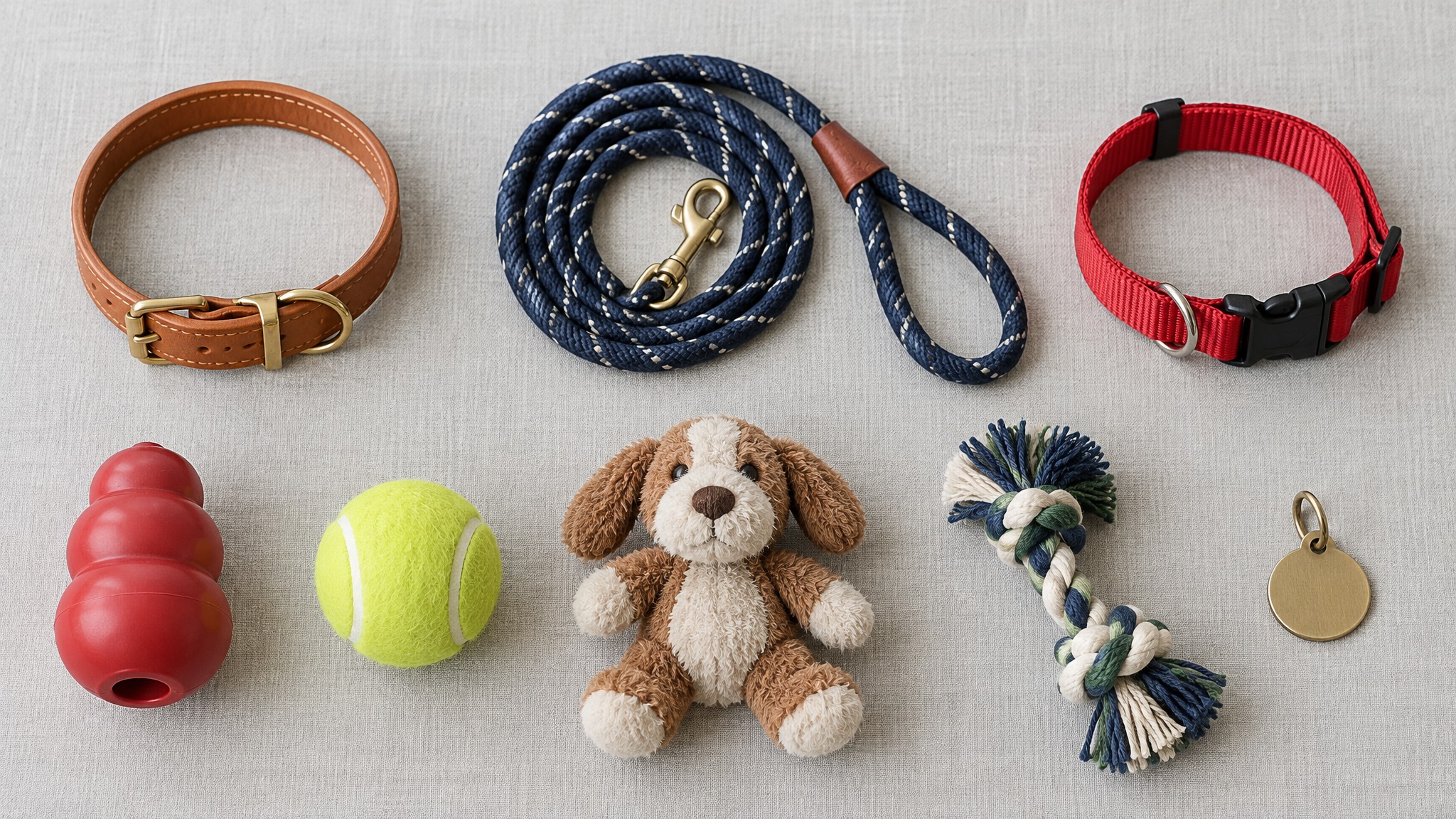
Dog Harness vs Collar: Which Is Safer?
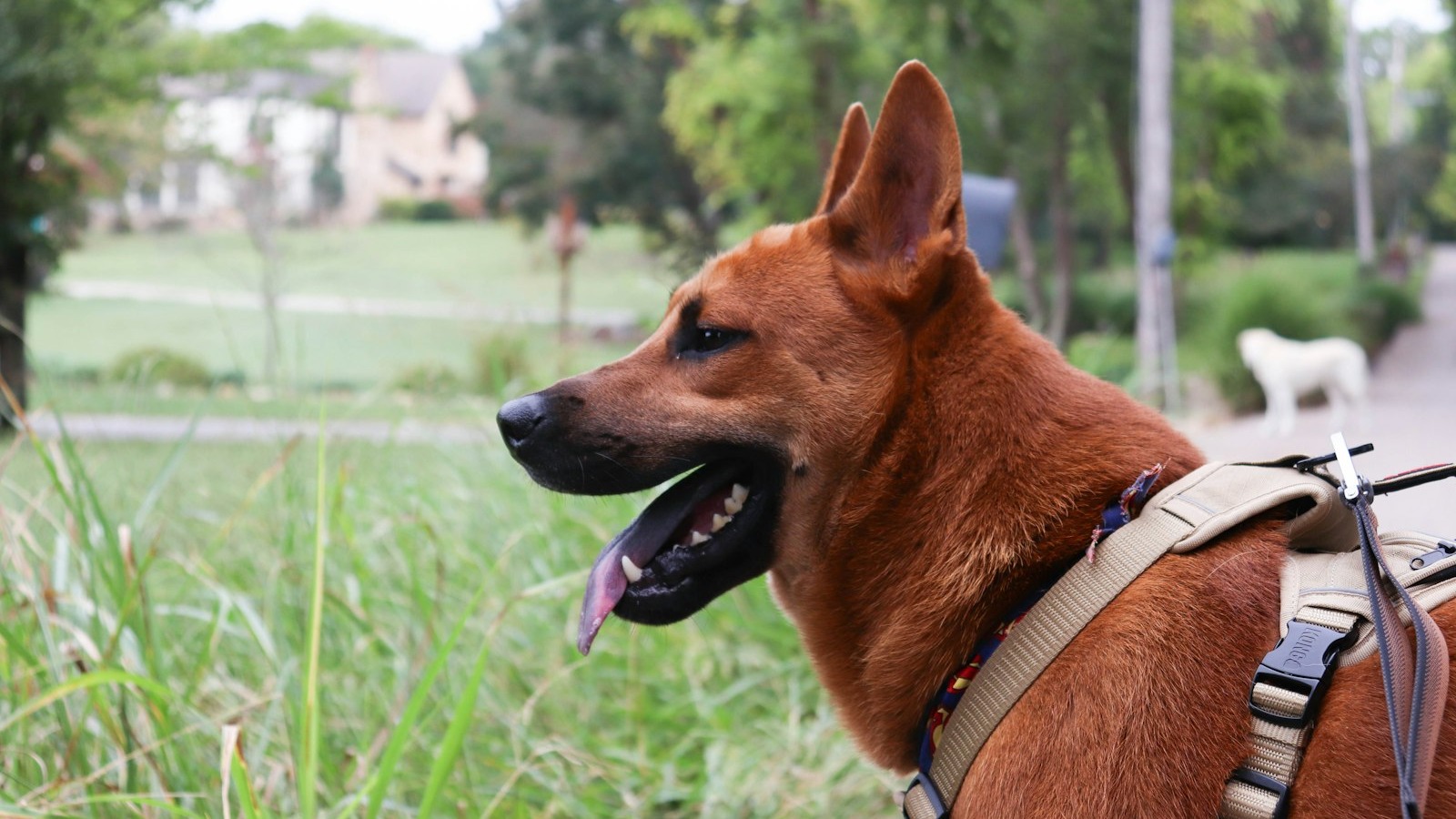
The Great Debate: Harness or Collar?
The harness vs collar debate is one of the most common questions new dog owners face. The truth is, both have their place, and the best choice depends on your dog's breed, size, temperament, and walking behavior.
When to Use a Harness
Harnesses are generally the safer choice for most dogs. They distribute leash pressure across the chest and shoulders rather than concentrating it on the neck. This is especially important for:
- Small breeds: Prone to tracheal collapse from collar pressure
- Brachycephalic breeds: Pugs, Bulldogs, and similar breeds with breathing difficulties
- Pullers: A front-clip harness redirects pulling energy
- Puppies: Still learning leash manners
- Dogs with neck injuries: Eliminates pressure on the cervical spine
When a Collar Works Fine
A flat collar is perfectly suitable for well-trained dogs that walk calmly on a loose leash. Collars are also essential for carrying ID tags and are quicker to put on for short bathroom breaks. Many owners use both — a collar for everyday ID and a harness for walks.
Types of Harnesses
Front-Clip Harnesses
The leash attaches at the chest, turning the dog toward you when they pull. This is the best option for training dogs not to pull. Our top pick: Ruffwear Front Range.
Back-Clip Harnesses
Comfortable and easy to use, but can encourage pulling in untrained dogs since the dog can lean into the harness. Best for small, well-behaved dogs.
Dual-Clip Harnesses
Offer both front and back attachment points, giving you flexibility. Use the front clip for training walks and the back clip for casual outings.
Our Recommendation
For most dog owners, a quality front-clip harness paired with a flat collar for ID is the safest and most versatile setup. Invest in a well-fitted harness with padded straps and adjustable points to ensure comfort during long walks.
Top Harness Picks
- Best Overall: Ruffwear Front Range Harness
- Best Budget: Rabbitgoo No-Pull Dog Harness
- Best for Small Dogs: Puppia Soft Dog Harness
- Best for Large Dogs: Kurgo Tru-Fit Smart Harness
Pros & Cons
Pros
- Harnesses distribute pressure across the chest
- Better control for strong pullers
- Reduces risk of neck injury
- Front-clip harnesses discourage pulling
- Essential for brachycephalic breeds
Cons
- Some dogs dislike the feeling of a harness
- More time-consuming to put on than a collar
- Cheap harnesses can chafe
- Back-clip harnesses can encourage pulling